Republicans are staring down a cost-of-living storm they may not survive.
Voters are furious, gas prices are surging, and some GOP Senate candidates are already breaking ranks.
And Bill O’Reilly just went on NewsNation and torched the party with a warning that should have every Republican in a battleground race paying close attention.
O’Reilly Drops the Hammer on Capitol Hill
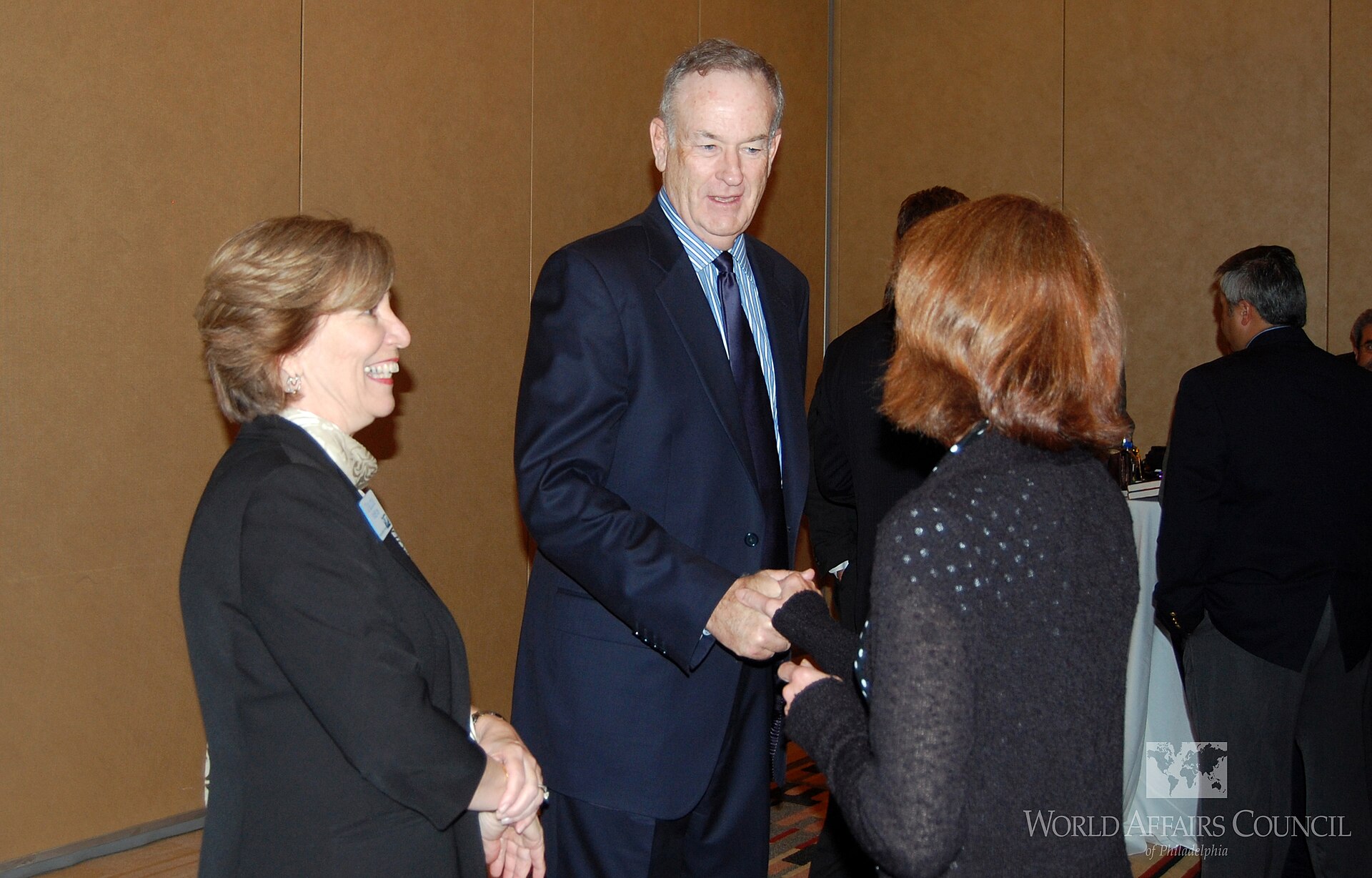
Political commentator Bill O’Reilly told NewsNation host Leland Vittert recently that Republicans simply cannot outlast the financial pain voters are feeling heading into the 2026 midterm elections.
“Republicans can’t survive the anger that people are feeling when they spend as much money as they’re spending,” O’Reilly said. “Can’t survive it.”
That’s not a soft observation. That’s a flat-out warning from someone who has watched American politics for decades and has no particular reason to sugarcoat it.
Vittert had posed the question after several Republican candidates in competitive races started calling for an end to the Iran war, tying the conflict directly to rising grocery and energy prices at home. O’Reilly didn’t dismiss that instinct entirely.
“Theoretically, they’re right,” he said, “but you can make a Munich argument about looking the other way when a terrorist as a nuclear weapon is trying to get one.”
But even acknowledging the national security stakes, he landed hard on what matters at the ballot box: “You can make that argument, but a realistic argument is enough. Enough.”
And O’Reilly didn’t leave it there. He said he expected “something to happen shortly” that would alter Americans’ views on Iran in a way that is “positive to the United States” — though he declined to specify what that might be.
The GOP Candidates Who Are Already Jumping Ship
O’Reilly’s remarks came in direct response to moves by Rep. Ashley Hinson (R-Iowa), the Republican Senate candidate in Iowa, who linked the Iran war to rising prices and called for it to be “brought to a successful and immediate end.”
Her position got echoed almost immediately by former Rep. Mike Rogers (R-Mich.), the Republican nominee in Michigan’s Senate race, who released a statement saying “Michigan families can’t afford to wait” for the conflict to wrap up.
Both candidates are running in toss-up races that could determine Senate control after November. Both had previously supported the administration’s war posture. Now both are reading the same polling numbers and drawing the same conclusions.
That shift matters. These aren’t fringe voices or Never-Trump complainers. Hinson and Rogers are Trump-aligned Republicans running in exactly the kinds of swing states the party needs to hold. The fact that they’re breaking on this issue reflects real pressure building from real voters who are watching prices climb every week.
Iran’s closure of the Strait of Hormuz, the vital oil shipping lane, has driven the national average for gas to $4.47 per gallon according to AAA, and diesel has surged sharply alongside it. Farming-heavy states like Iowa are absorbing the pain in particularly concentrated ways.
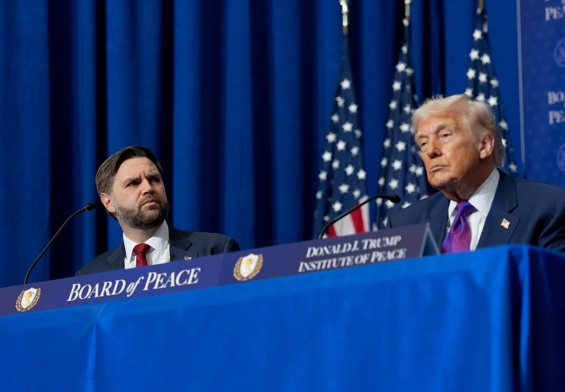
President Trump, for his part, has held his ground publicly. At a recent rally in Gastonia, North Carolina for GOP Senate nominee Michael Whatley, Trump called the gas price spike “a very inexpensive price to pay” for the war effort.
“But that’s going to come tumbling down,” Trump added. “That’s going to be like rocket ships in reverse.”
That’s a confident posture. Whether it holds up through November is the question O’Reilly is implicitly raising.
What the Affordability Crunch Means for November
Democrats have made cost of living the centerpiece of their midterm pitch, and they’re not wrong to do it.
Energy prices affect everything. They show up at the pump, in grocery store delivery costs, in heating bills, in the price of fertilizer that Iowa farmers pay before they ever plant a crop. Voters feel that pressure in their bones, and they tend to hold whoever is in power accountable for it — fairly or not.
The difficult reality for Republicans is that they hold the House, the Senate, and the White House. That means they own the economic environment heading into November, whether or not the underlying causes are entirely within their control.
But here’s the thing O’Reilly is pointing to that deserves serious consideration: the Iran conflict is, in significant part, what has made this economic environment so punishing. The Strait of Hormuz closure did not happen in a vacuum. And voters making decisions about which party to support are not running sophisticated geopolitical analyses — they’re looking at the number on the pump and comparing it to last year.
That’s a brutal political reality for candidates trying to thread an impossible needle.
Trump’s America First foreign policy has consistently sought to end cycles of endless foreign conflict that drained American resources and cost American lives. That instinct is sound, and it has deep roots in the mandate voters gave him in 2024. The neoconservative foreign policy establishment that pushed decades of costly intervention in the Middle East delivered Iraq, Afghanistan, and trillions in debt — a record that earned a decisive rejection from the American electorate.
None of that changes what voters are paying at the pump right now. And O’Reilly’s warning, stripped down to its core, is simply this: economic pain is the great equalizer in midterm elections, and Republicans sitting on a lead they built over the last two years cannot afford to assume that lead survives high gas prices and grocery bills that are squeezing families.
Hinson and Rogers are, in their own way, hearing that message from the ground. The question is whether their position shifts reflect genuine strategic judgment or a kind of panic that ends up looking opportunistic. Rogers, notably, had previously described Iran as an “imminent threat” and called US military action a “win-win-win” for the nation. His recent reversal will draw scrutiny, including from his own voters.
But the underlying political math that O’Reilly identified is hard to argue with. Midterms punish the party in power. Affordability crises accelerate that punishment. And the party holding all three levers of federal government right now needs something to change — either on prices, on the conflict itself, or on both — before November closes in.
O’Reilly thinks something will. He said so on air. He just couldn’t tell viewers what it would be.
Republicans had better hope he’s right.
Sources: The Hill, “Bill O’Reilly warns Republicans won’t survive voter anger over inflation”; Yahoo News, “O’Reilly: ‘Republicans can’t survive the anger that people are feeling’ on spending”; NBC News, “Iowa GOP Senate candidate Ashley Hinson calls for Iran war to end despite voting to let Trump continue it”; The Hill, “Trump: Surging gas costs are ‘very inexpensive price to pay’ for Iran war”; AAA national gas price data.