The 2028 race is already drawing blood behind the scenes.
JD Vance has the early lead, the fundraising operation, and the sitting President in his corner.
And now Ted Cruz is making moves that every Republican in Washington is going to be talking about.
Cruz Lays the Groundwork While Pretending He Hasn’t Decided
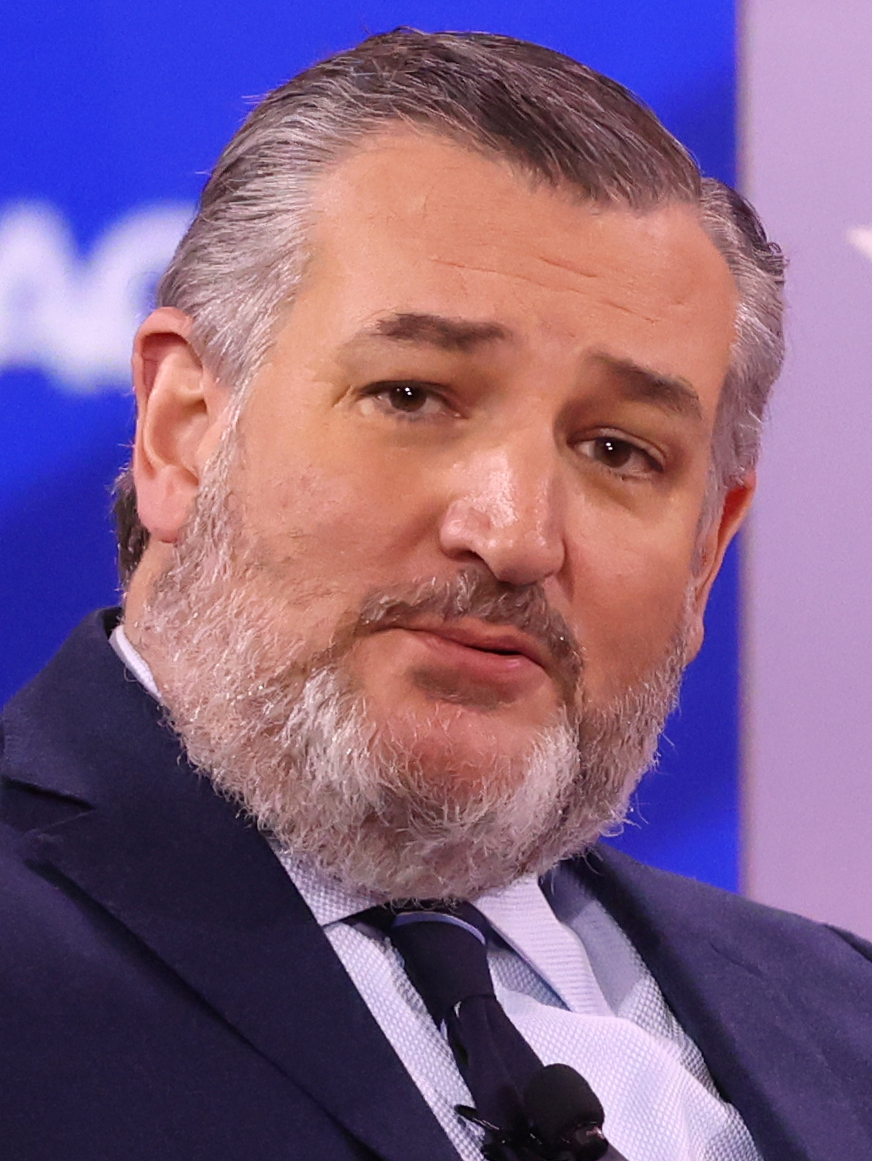
US Senator Ted Cruz (R-TX) has been asking people if they would be willing to work on his potential 2028 presidential campaign, according to a report from The Wall Street Journal.
Cruz recently signaled his intent for a second run at the White House by declaring, “It’s no secret I want to be president,” on a podcast, while adding that “time will tell” if he will throw his hat in the ring.
Cruz is already putting in the legwork in Iowa, hitting the podcast circuit and embarking on a book tour, while also quietly asking people if they would be interested in working on his 2028 bid, according to people familiar with the requests.
That is not the behavior of a man who’s undecided. That is the behavior of a man who has made up his mind and is waiting for the right moment to say so out loud.
Cruz ran for president in 2016 in an especially nasty Republican primary against Donald Trump, who clinched the nomination and later the presidency. After Trump lost in 2020, Cruz declined to run in 2024, when Trump trounced the likes of Florida Governor Ron DeSantis, former South Carolina Governor Nikki Haley, and former Vice President Mike Pence.
So this would be Cruz’s second shot at the brass ring. The question is whether the Republican Party is in any mood to give it to him.
Cruz Goes After Vance While Flattering Trump
Vice President JD Vance, who is leading in early polls of potential Republican nominees, is campaigning for candidates in tough races and fundraising for the party.
Secretary of State Marco Rubio has been floated as a 2028 contender, but he has said he does not intend to challenge Vance. That leaves Cruz as the most prominent figure willing to publicly position himself against the Vice President.
The Journal noted that Cruz has not been shy about taking digs at Vance, particularly at the Vice President’s role in the negotiations that led to the aborted memorandum of understanding with Iran amid the ongoing war. “JD negotiated the MOU with Iran. That was a terrible deal,” Cruz said, withholding any criticism of Trump, who signed the agreement.
Cruz is threading a needle there, and it’s worth noticing. He’s happy to put the Iran deal around Vance’s neck while giving Trump a complete pass on it. That’s a calculated move, not a principled one. It’s the kind of positioning that tells you exactly what kind of campaign Cruz intends to run.
But here’s the thing about criticizing Vance’s America First foreign policy restraint as a path to the Republican nomination in 2028 — the neoconservative lane Cruz is staking out is not where the energy in the GOP currently lives. The voters who twice sent Trump to Washington did not do so because they wanted more interventionism. They did it because they were exhausted by the foreign policy establishment’s track record, which delivered Iraq, Libya, and trillions of dollars in debt alongside the body bags.
The senator has also dinged Vance over his association with Tucker Carlson. That’s another tell. Cruz is running to the interventionist right of Vance on foreign policy, which puts him squarely in a lane that the MAGA base has largely vacated.
Asked on a podcast how much President Donald Trump’s endorsement would matter in 2028, Cruz declined to treat it as decisive. “It carries weight, but I think the voters are going to make their own determination,” Cruz said.
That answer is going to follow him. He’s essentially telling the base that Trump’s blessing isn’t the final word — which is a strange argument to make to a Republican primary electorate that voted overwhelmingly for Trump’s vision twice in a row.
Trump called Cruz “very talented” in late August when asked about a bid, stopping short of an endorsement. Trump told donors this summer that “at the end of the day, we need to elect JD.”
That’s about as clear a signal as Trump tends to give without making it official. And Cruz knows it.
What This Actually Means for the 2028 Field
Those in the Vice President’s circle have dismissed a Cruz run in 2028, saying the senator would not pose a major threat to Vance scoring the Republican nomination.
That kind of dismissal can age poorly. But in this case, Vance’s team has some basis for confidence. The Vice President has the institutional support, the early polling lead, and the implicit backing of the most popular figure in the Republican Party. Cruz has Iowa trips and podcast appearances.
At the BBQ Bash hosted by GOP Senate nominee Ashley Hinson, where Cruz appeared as the special guest, voters interviewed by the Journal named Vance and Secretary of State Marco Rubio before landing on Cruz. That’s not exactly the reception of a frontrunner.
The three-term Texan used his speech to claim ownership of policies Vance is expected to campaign on. Which is an interesting strategy — run against the frontrunner by arguing you’re actually the real version of what the frontrunner is selling. It might work. It might not. But it tells you Cruz understands that running against Vance on the merits of Vance’s own issues is the only viable path.
The foreign policy angle is where Cruz’s positioning gets genuinely complicated. His criticism of the Iran memorandum of understanding as “a terrible deal” puts him in alignment with the neoconservative and interventionist voices who have been pushing for confrontation with Iran for years — the same voices who insisted the Iraq War was going to be a quick success and that regime change in Libya would bring stability. That foreign policy tradition has not exactly distinguished itself, and Republican primary voters know it.
President Trump’s diplomatic efforts to negotiate an end to that conflict represent exactly the kind of America First restraint the base voted for. Cruz is positioning himself as a skeptic of that approach. Whether that’s a winning argument inside a Republican primary is a serious question, and the early evidence from Iowa suggests the answer is not obviously yes.
And then there’s the broader reality of what 2028 actually looks like from where things stand. The midterms haven’t happened yet. The field hasn’t formed. Cruz is essentially the first candidate to make visible moves, which gives him some earned media attention but also locks him into positions before the landscape is clear. A lot can change. If Vance stumbles, if the Iran situation evolves in ways that scramble the foreign policy debate, if Trump’s endorsement goes in an unexpected direction — any of those things could reshape the race entirely.
But right now, Cruz is running a campaign that looks more like a message operation than a genuine frontrunner strategy. He’s staking out turf, building a list, and hoping the political environment shifts in his direction. That’s not nothing. It’s also not a path to the nomination unless something significant changes.
The Republican Party in 2028 will still be shaped by what Trump built. The candidate who most convincingly inherits that coalition wins. Cruz is betting he can claim that inheritance by attacking Vance’s foreign policy from the right. Whether the base sees it that way is a different matter entirely.
Source: Mediaite, “Ted Cruz Is Reportedly Asking People to Work on His 2028 Presidential Campaign”; The Wall Street Journal