The reparations crowd thought it finally had a British monarch right where it wanted him.
A royal tour of the Caribbean looked like the moment the checkbook would come out.
Then Buckingham Palace answered the one question activists had waited years to ask.
What the Palace Told the Caribbean
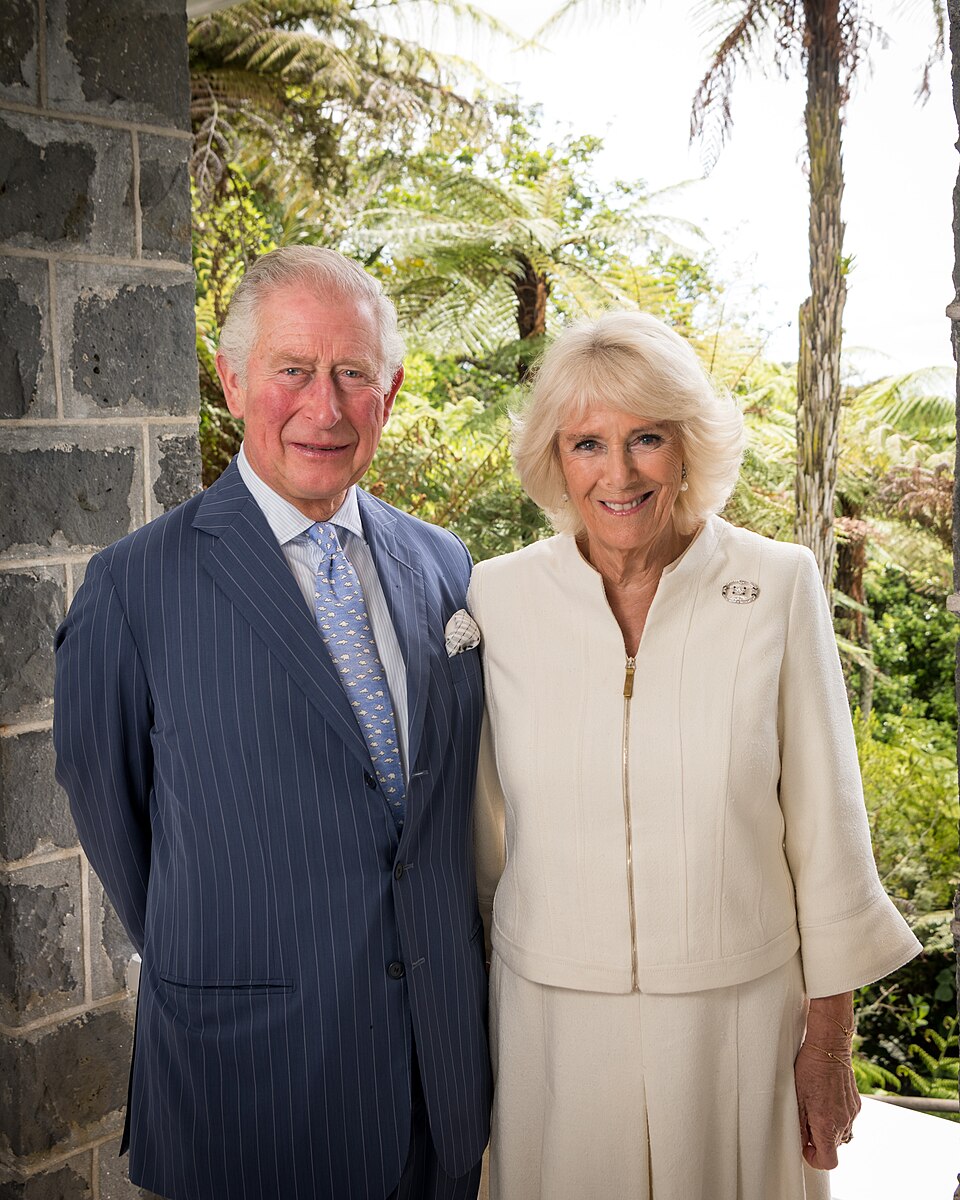
King Charles and Queen Camilla head to the Bahamas, Guyana, and Antigua and Barbuda this fall. The trip wraps up at the Commonwealth Heads of Government Meeting in Antigua.
Reparations campaigners circled that itinerary a long time ago.
Buckingham Palace confirmed the King will not issue a formal apology for Britain’s role in the transatlantic slave trade during the visit, according to Reuters. And he won’t commit a single pound to reparations either.
The Foreign, Commonwealth and Development Office restated that Britain will not pay financial reparations for slavery, the Daily Mirror reported.
Charles still plans to talk about it. The Palace says he will address what he has called the “darkest days of our past,” and ITV reported he previously condemned slavery as an “atrocity.” He even funded research into the monarchy’s ties to the trade.
But sorrow is one thing. A signed confession with a price tag stapled to it is something else entirely.
There’s a constitutional wrinkle here too. Britain’s King acts on the advice of his ministers, and Reuters reported that questions of apology and compensation belong to the government and not the monarch. Charles couldn’t cut the check even if he wanted to.
The Petition Sitting in a London Court
None of that slowed the campaign down.
Jamaica recently handed Charles a petition seeking legal guidance on Britain’s reparations obligations, according to Reuters. Culture Minister Olivia Grange delivered the document in London, the Amsterdam News reported.
The petition asks the Privy Council to assess whether enslavement in Jamaica was lawful under English common law and international law. Charles consented and forwarded it to the court.
Grange has said the filing seeks legal findings and not a fixed payment, according to NY Carib News. Sure. And a demand letter from a law office is only a friendly hello.
Caribbean leaders plan to raise reparations at the summit in Antigua, NY Carib News reported. Commonwealth Secretary-General Shirley Botchwey said earlier in 2026 that she anticipated members would begin moving toward negotiations.
Funny word, negotiations. One side has already announced what it wants, and the other side has already said no.
Why Nobody Ever Stamps This Bill Paid
The history is ugly and nobody serious disputes it. European merchants trafficked at least 12.5 million Africans into slavery between the 15th and 19th centuries, and Britain moved roughly 3.2 million of them, trailing only Portugal among European nations.
But the story didn’t end there, and the campaigners tend to stop reading at the convenient chapter.
Parliament outlawed the slave trade in 1807. The Royal Navy then parked its West Africa Squadron off the African coast, and between 1807 and 1860 that squadron seized roughly 1,600 slave ships and freed about 150,000 Africans, according to Historic UK. More than 1,500 British sailors died doing it, in combat and from disease.
So the country now facing the bill is the same country that spent half a century and a lot of young men’s lives hunting slave ships across the Atlantic. That part rarely makes the petition.
And here’s the pattern worth watching. Before the 2024 Commonwealth summit in Samoa, the British government ruled out reparations and ruled out an apology. Leaders signed a communique anyway that called for “a meaningful, truthful and respectful conversation” on the subject, LBC reported.
Two years later that conversation has turned into a court petition and open talk of negotiations. Every polite concession becomes the floor for the next demand.
That probably explains why the ministers haven’t advised an apology. A formal state apology works like an admission, and lawyers know exactly what to do with admissions. Maybe that reads too much into it, since the Palace offered no such reasoning. But a government that just watched a soft line in a communique grow legs has every reason to keep its mouth shut.
Americans have seen this movie. San Francisco set up a reparations program for its black residents and put $0 in the fund, as the Daily Caller noted. Left-wing politicians love the gesture right up until the invoice shows up.
The whole idea rests on inherited guilt. Reparations and demands for formal apologies force people to plead guilty to sins they had nothing to do with.
A dockworker in Liverpool never owned anybody, and neither did a retiree in Ohio. Nobody alive today bought, sold, or shipped a single slave. Yet the campaign wants a confession out of them anyway, plus a check. It’s identity politics with a collections department.
And it never ends, which is sort of the point. No dollar figure would close the account. No apology would be the last one requested.
Charles, to his credit or his ministers’, seems to grasp that. He can express personal sorrow all day long. He just won’t hand over the document that turns sorrow into liability.
Expect the summit in Antigua to get loud. Expect the Privy Council’s eventual answer to matter far more than any speech the King gives on a beach in the Bahamas. And if activists ever pry a favorable legal finding out of a London court, the American Left will have it photocopied and waved around city council chambers within the week.
For now, the answer from the Palace is no.
Sources:
Daily Caller, “King Charles Says No To Formal Apology For Slavery, Rules Out Reparations”
Reuters reporting on Buckingham Palace statement and the Jamaica petition, as cited by the Daily Caller
Historic UK, “The West Africa Squadron”
LBC, “Starmer forced into discussion of slavery reparations as Commonwealth chiefs say ‘time has come'”
geo.tv, “King Charles faces Caribbean reparations calls, Palace confirms no formal apology”