CNN is changing hands, and Hollywood is not taking it quietly.
One legendary name just went public with a blunt take on what the sale means.
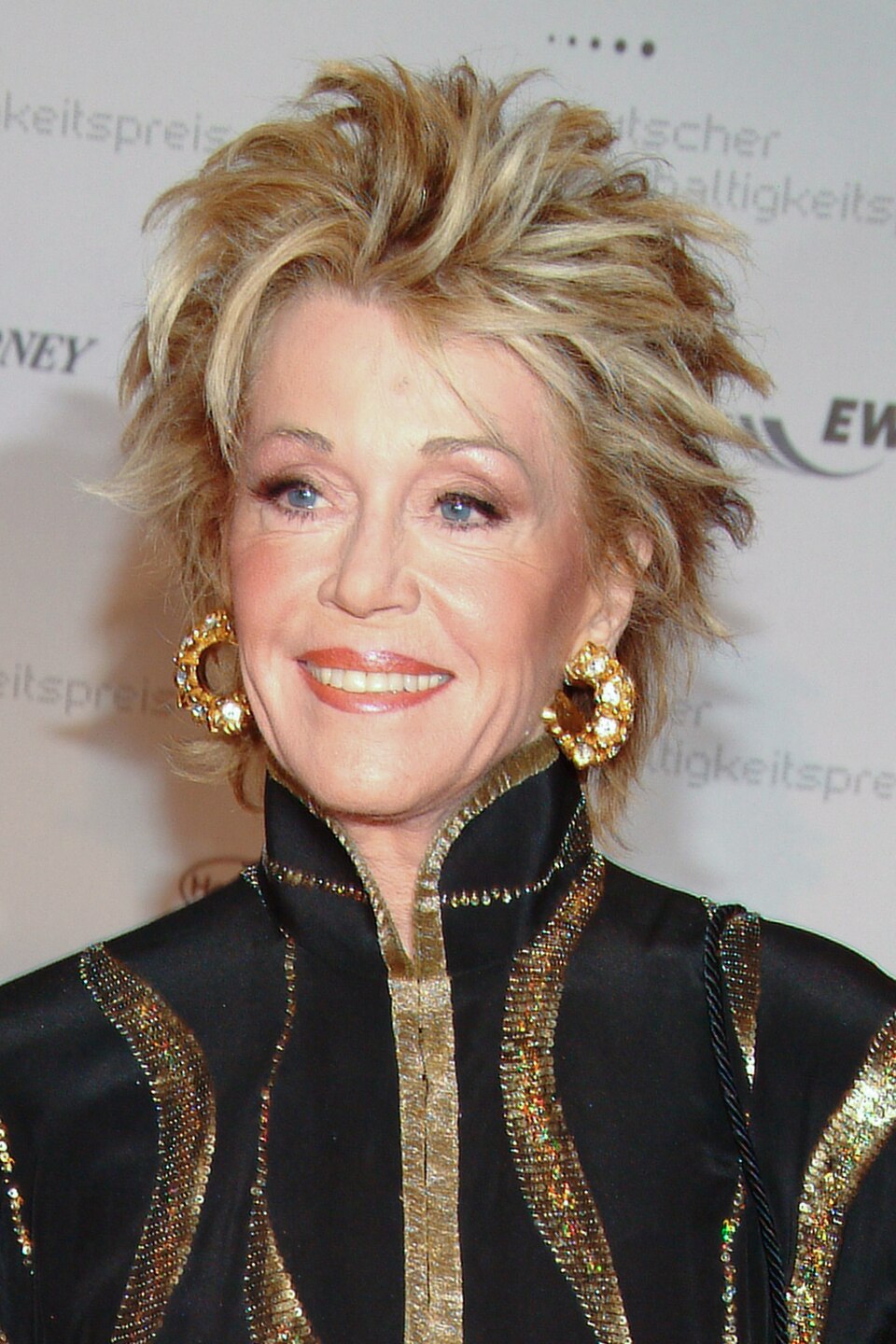
And Jane Fonda’s words about ex-husband Ted Turner and CNN’s new direction are turning heads across the media world.
What Fonda Actually Said
Jane Fonda, the actress and longtime left-wing activist, recently spoke out about the sale of CNN to a Trump ally, and she did not hold back.
Fonda said her ex-husband Ted Turner, the founder of CNN, would be “absolutely heartbroken” by the development.
Turner built CNN from scratch in 1980, turning a scrappy cable upstart into a global news brand.
Fonda was married to Turner from 1991 to 2001, and she has remained publicly connected to his legacy in media.
The sale she was reacting to involves CNN being acquired by a buyer with ties to President Donald Trump.
For someone like Fonda, whose politics sit firmly on the Left, the idea of a Trump-aligned owner running the network her ex-husband built is clearly a source of genuine distress.
But here is where the reaction gets interesting.
CNN spent years positioning itself as the gold standard of anti-Trump media.
And now the very network that spent the better part of a decade trying to destroy Trump’s presidency may end up under the control of someone in his orbit.
That is the kind of irony that does not need embellishment.
The Bigger Picture Behind the CNN Sale
CNN has been in freefall for years — ratings collapsing, anchors departing, credibility among ordinary Americans eroding steadily.
The network that once styled itself the most trusted name in news became, for a large portion of the country, something closer to a political operation masquerading as a journalism outfit.
The audience noticed.
And the numbers told the story that the network’s leadership refused to acknowledge.
So the sale, whatever form it ultimately takes, is less a hostile takeover than the natural result of a business model that stopped working.
When your core product is anti-Trump outrage and the election is over, the shelf life on that product turns out to be shorter than expected.
Ted Turner’s original vision for CNN was something genuinely different — a 24-hour news operation that covered the world, not just the coasts.
Whether that vision survived long past Turner’s own departure from the network is a fair question.
By the time Trump’s first term ended, CNN had made a choice about what it wanted to be, and that choice came with consequences.
Fonda’s grief over what might happen to the network is understandable on a personal level.
But the idea that CNN’s current trajectory represents some kind of betrayal of Turner’s legacy requires ignoring what CNN had already become long before any Trump ally entered the picture.
Turner built a news network.
What followed, over decades of corporate ownership changes and editorial drift, is a different story entirely.
What This Means for Media and the Left’s Grip on It
The Left has treated major media institutions as protected territory for so long that the possibility of losing even one of them registers as a kind of catastrophe.
Fonda’s comments reflect that instinct.
For the political class that spent years using CNN as a reliable amplifier for its preferred narratives — on Trump, on COVID, on the 2020 election, on January 6 — the prospect of new ownership with different sympathies is genuinely alarming.
And that alarm is worth paying attention to, not because it deserves sympathy, but because it reveals something honest about how these institutions actually function.
Big Tech and legacy media spent years suppressing conservative viewpoints, labeling inconvenient stories as misinformation, and coordinating with political allies to shape public opinion.
The Hunter Biden laptop story was buried in the weeks before the 2020 election by platforms and outlets working in concert.
Questions about COVID’s origins were dismissed as conspiracy theories until they weren’t.
Voices raising concerns about vaccine mandates and bodily autonomy were treated as dangerous rather than as Americans exercising legitimate skepticism about government overreach.
CNN was part of that ecosystem.
So when Fonda mourns what might happen to the network, it is worth asking what exactly she thinks she is mourning.
The journalism? Or the political operation?
Those are not the same thing, and for a long stretch of recent American media history, CNN made a choice about which one it wanted to be.
The audience answered that choice by leaving.
And now the ownership may be changing too.
Whether a Trump-aligned buyer actually transforms CNN into something different — or whether the institutional inertia of the network’s existing culture proves too strong to shift — remains to be seen.
Media institutions have a way of absorbing new owners and then quietly reverting to form.
But the panic on the Left over the possibility of losing CNN tells a story all by itself.
These are people who spent years insisting that media consolidation and corporate ownership were grave threats to democracy — right up until the moment the consolidation might not favor their side.
Then suddenly the specific identity of the owner matters enormously.
Fonda is not wrong that Ted Turner would have strong feelings about this.
Turner was a complicated figure — a media titan with his own strong opinions, not someone who would have watched quietly as his creation changed hands.
But the network stopped being Turner’s a long time ago.
What comes next is genuinely unknown.
And the Left’s distress over the uncertainty is, in its own way, a kind of accountability for what CNN chose to become.
Source: Mediaite, “Jane Fonda Says Ex-Husband Ted Turner Would Be ‘Absolutely Heartbroken’ by Trump Ally Taking Over CNN”