Democrats keep promising voters a brand-new party.
So why does their closing argument suddenly look like a rerun from the 1990s?
And Bill Clinton just booked one Florida stop with Donald Trump’s handpicked candidate dead in his sights.
Bill Clinton Packs His Bags for a Florida Comeback Nobody Ordered
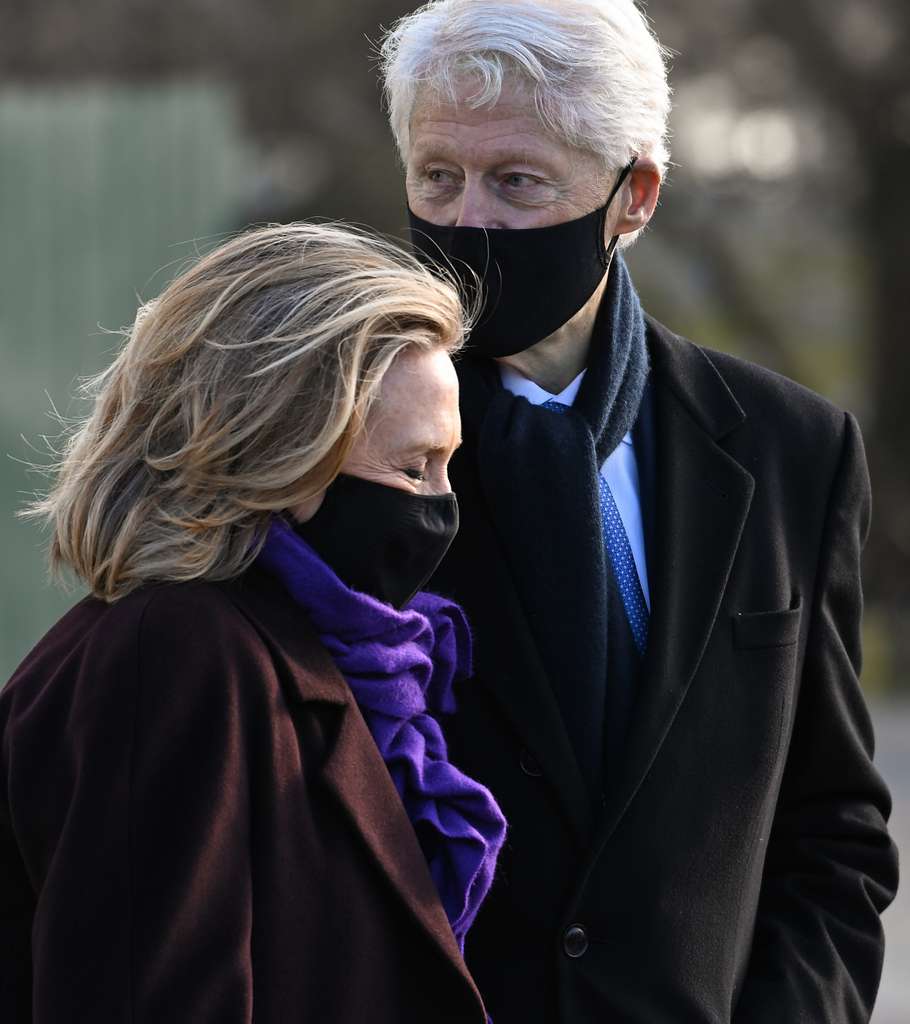
Former President Bill Clinton plans to make his first public campaign appearance of the entire 2026 cycle in late October, and he picked Florida for the honor.
His candidate is David Jolly, the Democrat nominee for governor. Jolly used to serve in Congress as a Republican before he walked away from the party and eventually landed on the other side.
Jolly is running against US Representative Byron Donalds (R-FL) to replace term-limited Governor Ron DeSantis. President Trump gave Donalds his “Complete and Total Endorsement” and said Donalds would “work closely with me to advance our America First Agenda.”
So the Clinton visit lands right on top of a Trump-backed race in a state Trump carried three times.
Clinton will join Jolly at an interfaith event in Hollywood, Florida. That’s the Broward County version, not the one with the red carpets, though the Clintons have rarely struggled to find friends in either place.
And the money angle may explain the timing. The Tampa Bay Times has reported that Jolly struggled to raise cash in Republican-dominated Florida, and a former President still draws a crowd and a checkbook or two.
What Jolly Is Actually Selling Floridians
Jolly’s pitch centers on “affordability.” The details tell a different story.
He wants a state-backed catastrophe fund to bring down property insurance costs. He wants to expand Medicaid. He wants more money flowing into government schools. And he wants to protect what Democrats call abortion rights, a phrase the party uses so voters don’t have to picture the human life an abortion actually ends.
Every one of those ideas hands Tallahassee more control over something families handle on their own today.
Floridians already know how state-run insurance works. The state created Citizens Property Insurance as an insurer of last resort, and plenty of homeowners watched “last resort” turn into the default option once politicians started setting the price.
Medicaid expansion follows the same road. Government coverage and actual access to a doctor rarely mean the same thing, and the patients stuck in the middle usually find that out the hard way.
But here’s the strange part. Bill Clinton built his political brand in the 1990s by promising voters that the age of big government had ended.
Now he’s flying south to stump for a guy who wants the state running insurance and healthcare.
Hillary Reopens the 2016 Wound in Nebraska
Hillary Clinton isn’t sitting this one out either.
She traveled to Omaha, Nebraska, recently to rally support for Democrat candidates Lynne Walz and Denise Powell at the “Pumpkins, Pies, and Politics” fundraiser.
Someone asked how she’d reach Democrats who feel their votes don’t matter anymore. Clinton answered with a list of national hardships: 9/11, the 2008 financial crisis, COVID, and, tucked right in the middle, her own 2016 loss to Donald Trump.
“We had an election in 2016 that, you know, raised a lot of questions that we’re still trying to find answers for about what, what kind of really went on,” Clinton told the crowd.
Read that one again slowly.
Democrats and their media allies spent years slapping the “election denier” label on ordinary Americans who raised questions about 2020. Those voters pointed to last-minute rule changes Democrats pushed through under cover of COVID, private money pouring into local election offices, and Big Tech burying the Hunter Biden laptop story in the weeks before the vote.
The press treated those folks like a threat to the republic. Hillary still has questions about 2016. And nobody in the national press so much as raises an eyebrow.
She also teamed up with journalist Kara Swisher for a six-week podcast series called High Stakes, which debuted in mid-October and runs weekly into mid-November. The first episode covered the cost of gas, groceries, and healthcare, Elon Musk’s political spending, and how Democrats might turn affordability into a winning message, along with a look at Senate races in Michigan and Maine.
But Democrats discovering grocery prices is a bit like an arsonist showing up with a garden hose. Prices took off under Joe Biden after Washington pumped trillions into the economy and the Federal Reserve kept the money printer humming.
Even Democrat Strategists Aren’t Buying the Clinton Revival
The Clintons may not have the room to themselves for long.
Democrat strategist Kevin Walling praised Bill Clinton’s knack for connecting with working-class voters, then admitted the party isn’t hunting for a “Clinton restoration.” Democrats, in his words, are “looking for a path back to winning.”
Fellow Democrat strategist Mally Smith sounded even less impressed. Smith said the couple would mostly reach the party base and the political junkies who already pay close attention.
“It is a hard media environment to breakthrough and even current elected officials, let alone former office holders, will struggle to get people’s attention,” Smith said.
That’s a polite way of saying the phone doesn’t ring like it used to.
The Socialist Wing Is Waiting to Take the Keys
The bigger story sits underneath the campaign schedule.
Candidates backed by the Democratic Socialists of America have knocked off incumbent and establishment-backed Democrats in primaries in Colorado, New York, and Michigan. The DSA is an openly Marxist outfit that wants government owning and running major industries, and its candidates now hold real nominations.
And the Clintons represent the exact establishment those insurgents ran against.
Bill Clinton signed NAFTA in 1993, a trade deal that helped ship American factory jobs to Mexico and hollowed out towns across the Rust Belt. The new left hates that record too, though its answer is putting Washington in charge of the factories instead of bringing them home.
So Democrat voters get to pick between the crowd that sold out the industrial heartland and the crowd that wants the state to run it. Working Americans noticed. Plenty of them found a home in Trump’s America First movement, which built its coalition around wages, borders, and actually rebuilding American manufacturing.
But don’t expect the Clintons to fade quietly. They never have.
Hillary’s podcast runs right up to Election Day and a little past it. Bill gets his Hollywood stage. And once election officials finish counting the votes, the real fight starts, the one between the Clinton wing and the socialist wing over who owns the Democrat Party heading into 2028.
Whichever side wins that brawl, the policies on offer keep drifting in the same direction: more government, more spending, and more control from the top.
Jolly is betting a little Clinton nostalgia can help him in a state that has swung hard to the right. Even his own party’s strategists sound unsure anybody outside the room will be listening.
Sources:
Fox News, “Bill and Hillary Clinton make eleventh-hour midterm moves as party’s old guard faces new reality”
The National News Desk, “Trump endorses Rep. Byron Donalds in Florida gubernatorial race”
Tampa Bay Times, “David Jolly has little cash in his run for governor. He’s not worried.”