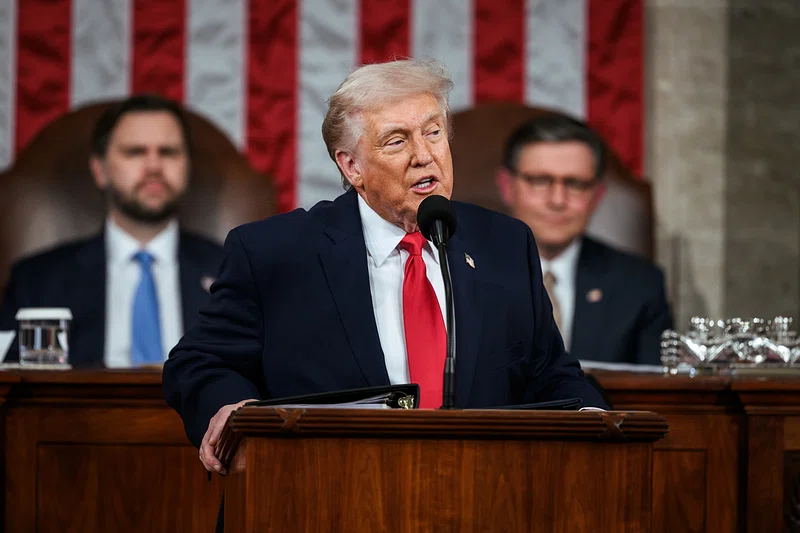
President Trump just pulled off what he’s calling the biggest oil deal in world history.
The establishment press is already working overtime to explain why it won’t matter.
But one of the country’s sharpest energy traders went on national television and called it a “generational win” — and his reasoning is hard to argue with.
What Phil Flynn Actually Said
President Trump’s newly announced deal secures majority US control of more than 65 billion barrels of Venezuelan oil reserves. That’s not a rounding error. That’s a number that reshapes the entire strategic picture for American energy.
Speaking on Fox & Friends Weekend, Flynn praised the deal, arguing it could lower prices for years and that US technology could transform Venezuela’s oil industry.
“I think this is a win. It’s a generational win for Americans because it is [going to] lead to a generation of low prices,” Flynn told host Kayleigh McEnany.
“And it’s a win for the people of Venezuela as well because the United States has the technology and the people to develop those oil fields unlike anything Venezuela has been ever able to do in history,” he added.
Flynn also addressed what a lot of Americans are asking right now — whether this means cheaper gas the next time they pull up to the pump.
“If you’re looking for gasoline prices to fall 10 cents overnight, probably not [going to] happen,” Flynn noted. That’s an honest answer, and it’s the kind of straight talk people actually respect from someone who trades energy for a living rather than spinning it for political points.
He added, however, that “psychologically it will put some downward pressure on prices” by signaling an easing of geopolitical risks. “It’s another sign that the conflicts in the world that have kept prices high for years are starting to come to an end,” he said.
That framing matters. Markets move on expectations, not just on barrels delivered today. When traders see the United States locking in majority control of one of the largest oil reserves on the planet, that changes the calculus on future supply — and prices respond to that signal whether the crude hits the market tomorrow or three years from now.
The Strategic Petroleum Reserve Just Got a Whole Lot Bigger
Flynn made one observation that cuts straight to the heart of why this deal is bigger than a simple price play.
“A lot of people are worried about us drawing down our Strategic Petroleum Reserve,” Flynn said. “Now we have the biggest strategic petroleum reserve in history. It’s called Venezuela.”
Think about that for a second. The Strategic Petroleum Reserve debate has been a political football for years — Democrats drained it under Biden to try to manage gas prices heading into the 2022 midterms, and critics on both sides have worried about what happens when the reserve runs low during a real crisis. Trump just made that argument largely irrelevant.
The agreement gives the US a 55% effective interest in the output of a new private company formed to manage the reserves. And the oil bought from the new company would go toward filling the US strategic petroleum reserve and toward military use, according to a US official.
Venezuela has one of the largest oil reserves in the world, with an estimated 303 billion barrels of crude oil in the ground — about 17% of the world’s supply, according to the US Energy Information Administration. The deal covers 65 billion barrels of proven reserves, and unlike oil plays in other parts of the world, the reserves under Venezuela’s soil are largely mapped and known, experts say.
That’s not a speculative bet. That’s a known quantity sitting in the ground, waiting on investment and infrastructure — both of which the United States is now positioned to provide.
How This Deal Came Together
The agreement comes after the United States launched an operation to capture then-Venezuelan leader Nicolas Maduro in January. Maduro’s capture was followed by a transition in power ahead of the oil agreement.
At Trump’s direction, Secretary of State Marco Rubio and Secretary of War Pete Hegseth, working closely with Highly Respected Interim President of Venezuela Delcy Rodriguez, and through a partnership with private business, secured majority US control of more than 65 billion barrels of proven oil reserves in Venezuela, at no cost to the American taxpayer.
No cost to the taxpayer. That detail deserves to be repeated, because Washington has a long history of deals that promise benefits and deliver bills. This one flips the script.
Secretary of State Marco Rubio praised the agreement on X, calling it a “huge win” for both countries that “demonstrates how President Trump’s bold foreign policy is driving America First wins: securing stable reserves and low-cost oil in our Hemisphere and lowering gas prices here at home.”
Rubio’s framing is worth paying attention to. This isn’t just an energy deal. It’s a foreign policy achievement that delivers tangible economic benefits to American families — the kind of result that the neoconservative foreign policy establishment, which spent decades on nation-building exercises that delivered body bags and debt, never managed to produce.
The breakthrough comes as disruptions to global energy markets from the Iran war continue to push up prices at the pump, with Americans now paying an average of $4.08 per gallon for regular gasoline, up from $3.20 a year ago, according to AAA. That context makes the deal even more significant. Trump secured a generational energy asset in the middle of a period of elevated prices — exactly when the leverage to act was greatest and the payoff for American families is most needed.
What the Critics Are Getting Wrong
The skeptics will point to infrastructure timelines. The deal is unlikely to translate into an immediate drop in US gasoline prices, however, because experts have said bringing significantly more Venezuelan crude to market will require years of infrastructure work and billions of dollars in investment, according to the AP.
But that critique misses what Flynn understands from trading energy markets every day of his career. Long-term supply commitments reshape price expectations now. The market prices in future supply before the first barrel arrives. And the United States just locked in majority control of a reserve that more than doubles its own proven holdings.
Rystad Energy, an independent energy research firm, said that Venezuelan oil production could jump 17% by 2028, but only if significant advances are made. That’s a real caveat, and it deserves honest treatment. Infrastructure is damaged, decades of socialist mismanagement gutted the industry, and getting production to scale will take serious investment and time.
But the critics making that argument today are largely the same voices who said removing Maduro would be a disaster, that American companies would never go back into Venezuela, and that Trump’s energy diplomacy was reckless. They’ve been wrong at every step of this story.
And the broader point Flynn makes — that this signals geopolitical de-escalation, which puts downward pressure on prices through market psychology — is something the skeptics consistently underweight. Energy prices aren’t set only by barrels pumped today. They’re set by what traders believe about tomorrow.
Trump just told the market something very clear about tomorrow.
The American people have been paying elevated prices at the pump for over a year. A deal that secures majority US control of 65 billion barrels of proven reserves, costs the taxpayer nothing, and signals to global markets that the era of geopolitical supply disruption is winding down is not a small thing. Phil Flynn called it a generational win. Based on the numbers and the strategic picture, that’s not hype. That’s an accurate read.
Sources: Fox News, “Top energy trader hails Trump’s Venezuela oil deal as a ‘generational win’ for gas prices”; The Associated Press via Fox29; AAA national gasoline price data; US Energy Information Administration; Rystad Energy